


Slippery kitchen floors and crowded entryways can create real headaches for facility managers across the United States. Reliable rubber mats are a smart solution for reducing slip hazards and keeping high-traffic areas safer. By choosing mats with superior traction, drainage, and durable materials, managers can protect both employees and customers while meeting strict safety standards. This guide highlights the features, benefits, and compliance requirements that matter most for those seeking proven protection and lasting performance in hospitality and retail spaces.
Table of Contents
- What Are Restaurant Rubber Mats?
- Main Types Of Rubber Mats Used
- Key Features For Commercial Kitchens
- Benefits For Safety And Hygiene
- Regulations And Compliance Standards
- Cost, Maintenance, And Common Pitfalls
Key Takeaways
| Point | Details |
|---|---|
| Safety Enhancement | Restaurant rubber mats significantly reduce slip hazards, ensuring a safer working environment in high-risk kitchen areas. |
| Employee Comfort | Anti-fatigue mats provide critical support, reducing muscle strain for workers on their feet for long hours. |
| Hygiene Maintenance | Mats with antimicrobial treatments help inhibit bacterial growth, promoting cleanliness in food preparation zones. |
| Regulatory Compliance | Adhering to safety regulations regarding mat selection and maintenance is crucial for meeting workplace safety standards. |
What Are Restaurant Rubber Mats?
Restaurant rubber mats are specialized floor coverings designed to enhance safety, comfort, and sanitation in commercial kitchen and food service environments. These durable floor accessories serve multiple critical functions beyond simple floor covering. Restaurant rubber floor mats provide essential protection against slip hazards, reduce worker fatigue, and help maintain hygienic workspace conditions.
Typically constructed from high-grade synthetic rubber compounds, these mats feature textured surfaces that provide superior traction in areas prone to moisture, grease, and potential spills. Their specialized design includes raised patterns or drainage channels that allow liquids to flow away from walking surfaces, dramatically reducing slip risks. Restaurant kitchens represent high-risk environments where workers spend extended hours standing on hard surfaces, making these mats crucial for both safety and employee wellness.
The primary components of restaurant rubber mats include resilient rubber materials engineered to withstand harsh kitchen conditions. These mats often incorporate features like beveled edges to prevent tripping, antimicrobial treatments to inhibit bacterial growth, and chemical-resistant compounds that can endure frequent cleaning with industrial sanitizers. By creating a protective barrier between workers and hard floor surfaces, these mats help absorb shock, reduce muscle strain, and provide a more comfortable working environment.
Pro tip: When selecting restaurant rubber mats, prioritize mats with drainage holes and raised surface textures for maximum slip resistance and liquid management.
Main Types of Rubber Mats Used
Commercial restaurant environments require specialized rubber mats tailored to different functional needs. Commercial floor mats are strategically designed to address specific safety, comfort, and sanitation challenges in high-traffic kitchen and food service areas. Understanding these variations helps restaurant managers select the most appropriate mat for each workspace zone.
The primary categories of restaurant rubber mats include anti-fatigue mats, which provide critical support for staff who spend long hours standing in preparation and cooking areas. These mats feature specialized cushioning that reduces muscle strain and joint stress. Industrial mats, often constructed with interlocking designs, are engineered for durability and can withstand heavy equipment traffic and frequent cleaning. Heavy duty rubber floor mats are particularly essential in areas with substantial equipment movement and potential liquid exposure.
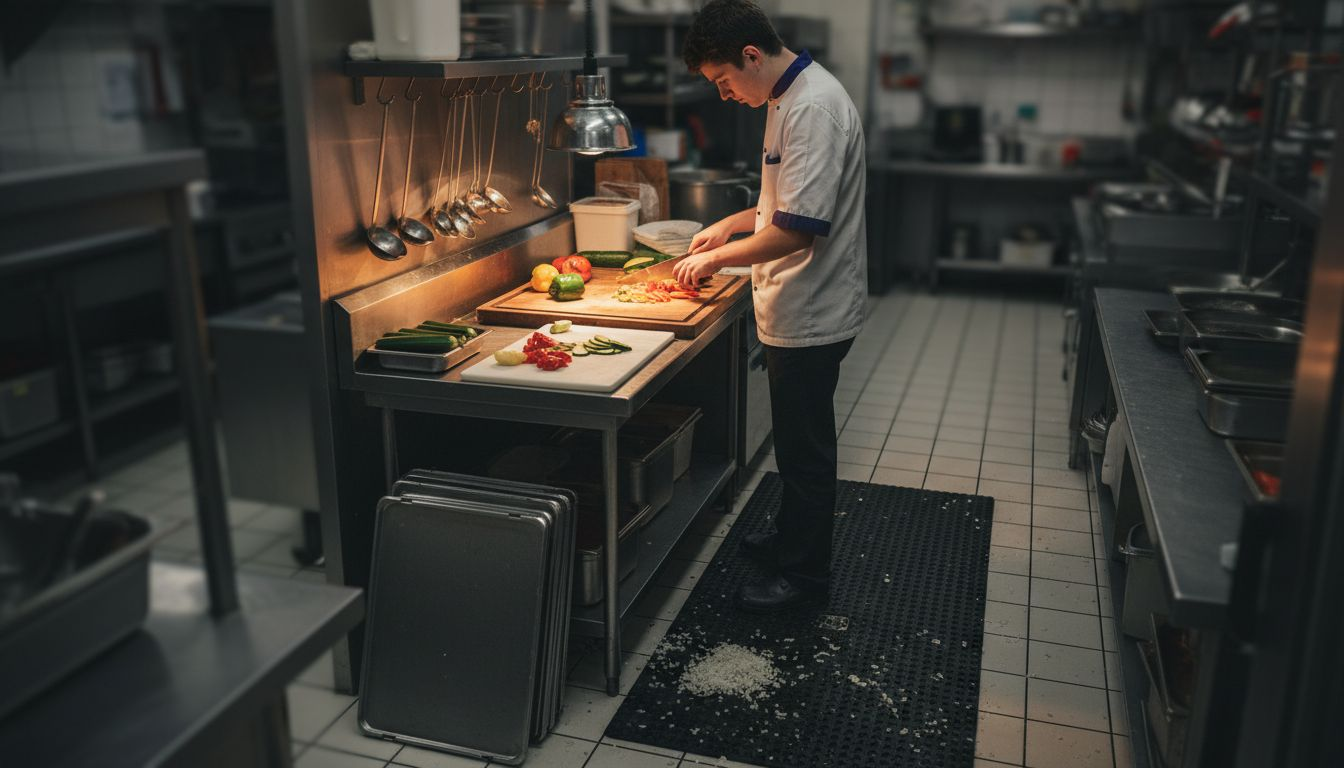
Additional specialized rubber mat types include non-slip mats designed for wet environments like dishwashing stations, drainage mats with channels that redirect liquids away from walking surfaces, and entrance mats engineered to trap dirt and moisture before it spreads throughout the facility. Each mat type serves a unique purpose: preventing slips, managing moisture, reducing worker fatigue, and maintaining overall workplace hygiene. Some advanced rubber mats incorporate antimicrobial treatments and chemical-resistant compounds to further enhance safety and cleanliness standards.
Here is a comparison of popular restaurant rubber mat types and their ideal uses:
| Mat Type | Best Placement | Key Advantage |
|---|---|---|
| Anti-fatigue | Prep/Cooking Areas | Reduces staff muscle strain |
| Drainage | Dishwashing/Wet Zones | Efficient liquid management |
| Heavy-duty | Equipment/Traffic Areas | Withstands heavy loads |
| Entrance | Entryways | Controls dirt and moisture |
Pro tip: Rotate and regularly inspect rubber mats to ensure consistent performance and identify potential wear or damage before it compromises workplace safety.
Key Features for Commercial Kitchens
Commercial kitchen rubber mats must meet rigorous performance standards to ensure workplace safety and operational efficiency. Essential kitchen mat features encompass multiple critical characteristics that protect workers and maintain hygienic environments. The most advanced mats are engineered to address the complex challenges of high-traffic food preparation areas.
Key performance characteristics include non-slip surface texturing that provides maximum traction in wet and greasy conditions. Ergonomic mats incorporate specialized cushioning technologies that reduce worker fatigue by absorbing impact and providing support during long shifts. The material composition is equally critical, with nitrile rubber offering superior resistance to kitchen chemicals, oils, and frequent cleaning agents. Some advanced mats feature beveled edges to minimize tripping hazards and include drainage channels that effectively redirect liquids, preventing potential slip incidents.
Durability and hygiene represent additional crucial considerations for commercial kitchen mats. Optimal mats incorporate antimicrobial treatments that inhibit bacterial growth, meeting stringent food safety regulations. Restaurant rubber floor mats must withstand extreme temperatures, resist chemical degradation, and maintain structural integrity through hundreds of cleaning cycles. Advanced manufacturing techniques now produce mats with enhanced resilience, capable of maintaining performance characteristics even in the most demanding kitchen environments.
Pro tip: Invest in color-coded mats to help designate specific work zones and simplify cleaning protocols in commercial kitchen spaces.
Benefits for Safety and Hygiene
Restaurant rubber mats play a critical role in creating safer and more hygienic workplace environments by addressing multiple potential hazards simultaneously. Floor safety mats provide comprehensive protection for workers and food preparation areas through strategic design and advanced material engineering. These specialized floor coverings transform workplace safety from a theoretical concept to a practical, implementable solution.
The primary safety benefits include significant reduction of slip and fall incidents, which represent one of the most common workplace accidents in commercial kitchens. Textured surfaces and drainage channels work together to channel liquids away from walking surfaces, dramatically minimizing the risk of accidental slips. Ergonomic cushioning simultaneously reduces physical strain on workers’ joints and muscles, decreasing the likelihood of repetitive stress injuries during long shifts. These mats absorb impact, provide critical support, and create a more comfortable working environment that promotes employee well-being and productivity.
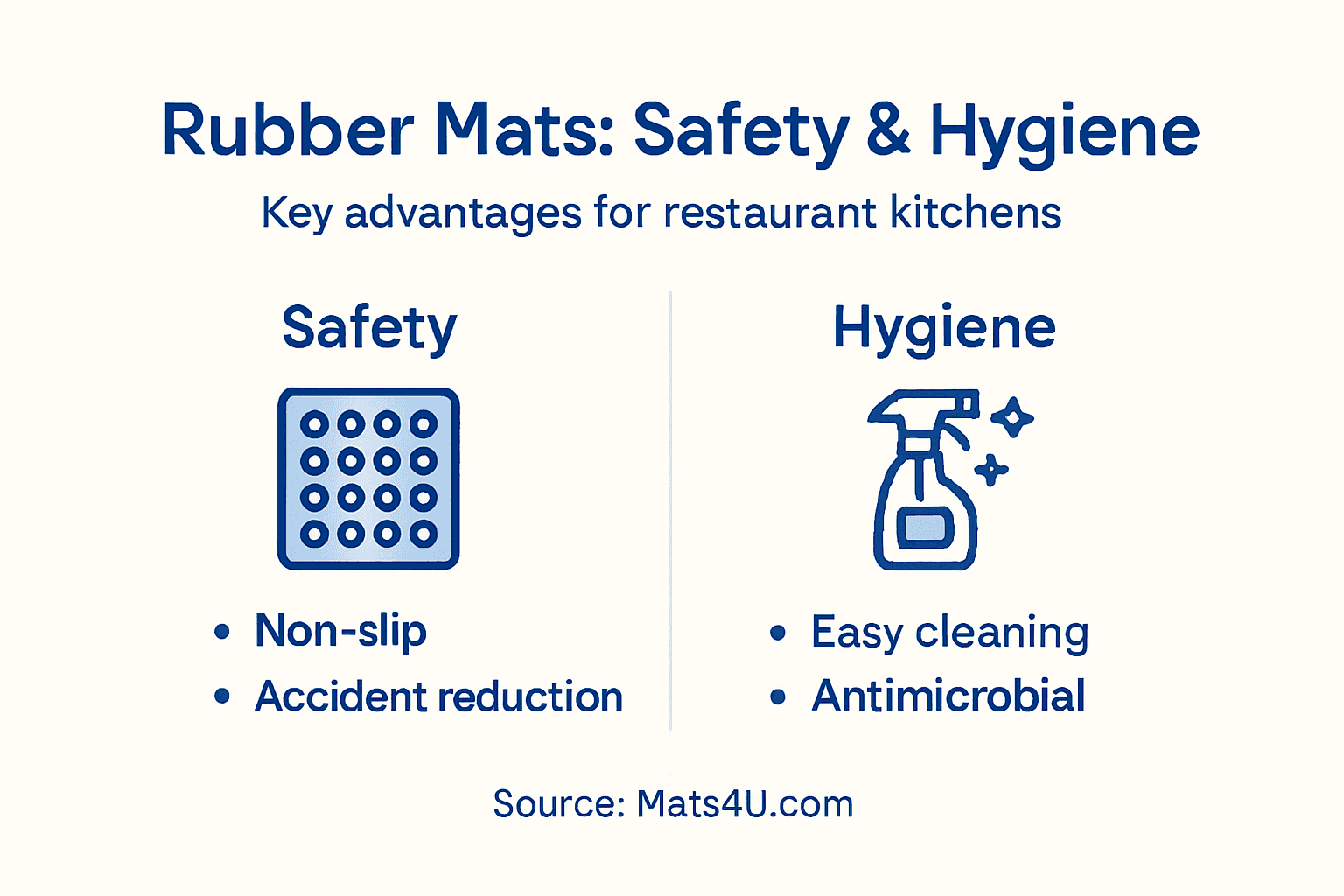
Hygiene represents another crucial aspect of restaurant rubber mat functionality. Advanced antimicrobial treatments integrated into mat materials actively inhibit bacterial growth, creating an additional layer of protection against potential contamination. The non-porous surfaces resist absorption of liquids, chemicals, and food particles, making thorough cleaning and sanitization significantly easier. By creating a barrier between workers and potentially contaminated floor surfaces, these mats contribute to maintaining high food safety standards and supporting overall workplace cleanliness.
Pro tip: Implement a regular inspection and replacement schedule for rubber mats to ensure continuous safety and hygiene performance in your commercial kitchen.
Regulations and Compliance Standards
Commercial kitchen environments must adhere to strict safety regulations that govern workplace design and operational practices. OSHA restaurant regulations establish comprehensive guidelines for preventing workplace accidents, with specific requirements addressing floor safety and hazard management. These standards mandate proactive approaches to minimizing potential risks in food service settings.
The primary regulatory bodies overseeing restaurant safety include the Occupational Safety and Health Administration (OSHA), the American National Standards Institute (ANSI), and the National Floor Safety Institute. These organizations collaborate to develop precise safety standards that address slip, trip, and fall prevention. Key compliance requirements specify that floor mats must provide demonstrable slip resistance, maintain proper drainage capabilities, and feature high-traction backing to prevent mat movement. Floor safety standards emphasize the importance of regular mat maintenance, inspection, and replacement to ensure continued workplace protection.
Restaurant managers must document their compliance efforts, maintaining detailed records of mat selection, installation, maintenance, and replacement schedules. This documentation serves as critical evidence of meeting regulatory requirements and demonstrates a commitment to employee safety. Failure to comply with these standards can result in significant financial penalties, potential legal liabilities, and increased risk of workplace injuries. Comprehensive safety protocols require a systematic approach that goes beyond simple mat installation, encompassing ongoing assessment and proactive risk management.
Pro tip: Develop a comprehensive mat maintenance log that tracks installation dates, inspection results, and replacement schedules to demonstrate regulatory compliance.
Cost, Maintenance, and Common Pitfalls
Investing in restaurant rubber mats involves strategic financial considerations beyond initial purchase price. Common mat selection pitfalls reveal that inappropriate mat choices can lead to significant long-term expenses and potential safety risks. Restaurant managers must evaluate total cost of ownership, which encompasses initial investment, maintenance requirements, and potential replacement frequency.
Maintenance represents a critical aspect of mat management that directly impacts performance and longevity. Routine cleaning protocols should include daily debris removal, weekly deep cleaning, and periodic professional sanitization. High-traffic restaurant environments require mats constructed from durable materials that can withstand frequent washing, chemical exposure, and constant foot traffic. Some advanced rubber mats feature antimicrobial treatments and specialized coatings that reduce maintenance time and extend functional lifespan, potentially offsetting higher upfront costs through reduced replacement frequency.
Restaurant operators frequently encounter several common pitfalls when managing floor mats. These include selecting incorrectly sized mats, neglecting regular inspections, and failing to replace worn materials promptly. Mats that curl, develop uneven surfaces, or lose slip resistance can create significant safety hazards. Financial risks extend beyond direct replacement costs, potentially involving worker compensation claims, increased insurance premiums, and potential regulatory violations. Systematic tracking of mat condition, implementing proactive replacement schedules, and investing in high-quality materials ultimately prove more cost-effective than reactive maintenance approaches.
The following table outlines maintenance priorities and their business impact:
| Task | Frequency | Impact if Neglected |
|---|---|---|
| Visual Inspection | Weekly | Missed damage, higher slip risk |
| Deep Cleaning | Weekly/Biweekly | Bacterial growth, hygiene concerns |
| Replacement Cycling | As needed | Increased injury and liability risk |
Pro tip: Develop a standardized mat tracking system that logs purchase dates, maintenance records, and replacement cycles to optimize long-term cost management.
Boost Safety and Cleanliness with Premium Restaurant Rubber Mats
Ensuring employee safety and maintaining impeccable hygiene are critical challenges in every commercial kitchen. This article highlights how specialized restaurant rubber mats reduce slip hazards, relieve staff fatigue, and support stringent sanitation standards. If you want to solve these issues effectively, choosing the right mats designed for high-traffic, wet, and demanding kitchen environments is essential.
Explore our diverse range of Commercial Mats at Mats4U.com crafted to meet these exact needs. From anti-fatigue options that alleviate long hours of standing to heavy-duty rubber mats that withstand spills and cleaning chemicals, we offer durable solutions that protect your team and your business. Take advantage of our competitive pricing and free delivery on orders over $100 to upgrade your kitchen safety right away.
Don’t wait for accidents or hygiene lapses to cost more than necessary. Visit Mats4U.com today to find the perfect mats that combine comfort, safety, and cleanliness. Start creating a safer, cleaner commercial kitchen environment now by browsing our Comfort Range and customizing your mat selections to fit your specific workspace.
Frequently Asked Questions
What are restaurant rubber mats and their benefits?
Restaurant rubber mats are specialized floor coverings designed for commercial kitchens to enhance safety, comfort, and sanitation. They provide slip resistance, reduce worker fatigue, and help maintain cleanliness in food preparation areas.
How do I choose the right rubber mat for my restaurant kitchen?
When selecting rubber mats, consider factors such as mat type (anti-fatigue, drainage, heavy-duty), surface texture, antimicrobial treatments, and durability. Prioritize mats with drainage holes and raised textures for maximum slip resistance and liquid management.
What should I look for in terms of maintenance for rubber mats?
Regular maintenance includes visual inspections for damage, weekly deep cleaning, and timely replacement of worn mats. Establishing a maintenance log helps track inspection frequencies and replacement cycles, ensuring ongoing safety and performance.
How do restaurant rubber mats contribute to compliance with safety regulations?
Restaurant rubber mats must meet OSHA and ANSI guidelines, providing slip resistance and proper drainage. Documenting the selection, maintenance, and replacement of mats is crucial for demonstrating compliance with safety standards and preventing potential liabilities.


