


Every American restaurant owner knows that slips and falls remain a top cause of workplace injuries, with nearly 80 percent of kitchen accidents linked to wet or greasy surfaces. Choosing the right rubber floor mats is not just about comfort, it is a fundamental step in safeguarding staff and meeting strict hygiene standards. Understanding these specialized mats helps create a safer, more efficient environment that protects both employees and your business bottom line.
Table of Contents
- Understanding Restaurant Rubber Floor Mats
- Types of Rubber Mats for Restaurants
- Safety and Hygiene Benefits Explained
- Applications in Commercial Food Environments
- Cost, Maintenance, and Common Pitfalls
Key Takeaways
| Point | Details |
|---|---|
| Importance of Rubber Mats | Restaurant rubber mats enhance safety, hygiene, and operational efficiency in commercial kitchens. |
| Key Features | They offer slip resistance, shock absorption, and easy maintenance, crucial for high-traffic areas. |
| Types of Mats | Key types include anti-fatigue, drainage, and kitchen work mats, each serving specific purposes. |
| Cost and Maintenance | Investment ranges from $50 to $300 per mat, with low to moderate maintenance costs crucial for longevity. |
Understanding Restaurant Rubber Floor Mats
Restaurant rubber floor mats represent a critical safety infrastructure that goes far beyond simple floor coverage. These specialized mats serve multiple essential functions in commercial kitchen and dining environments, protecting workers, maintaining hygiene standards, and preventing potential workplace accidents. Understanding non slip restaurant mats reveals their strategic importance in professional food service settings.
Rubber floor mats are engineered with specific design characteristics that make them uniquely suited for high-traffic, moisture-prone restaurant environments. Their primary features include superior slip resistance, shock absorption, and drainage capabilities. These mats typically feature raised geometric patterns or perforated surfaces that channel water, grease, and other liquids away from walking surfaces, significantly reducing slip hazards. The raised design also provides ergonomic benefits by creating small air pockets that reduce fatigue for kitchen staff who spend long hours standing.
Key Performance Characteristics of restaurant rubber floor mats include:
- Exceptional moisture management
- Resistance to grease and oil penetration
- Durability under heavy foot traffic
- Chemical and heat resistance
- Easy cleaning and maintenance
Pro Kitchen Safety Tip: Rotate rubber floor mats regularly and inspect them monthly for wear, cracks, or potential trip hazards to maintain optimal workplace safety standards.
The benefits of rubber floor mats extend beyond immediate safety. These mats contribute to a restaurant’s overall operational efficiency by creating a more comfortable working environment, reducing worker fatigue, and minimizing potential worker compensation claims related to slip and fall incidents. Their antimicrobial properties and ease of cleaning also support critical food safety protocols, making them an essential investment for any professional kitchen.
Pro Installation Tip: Ensure rubber floor mats are installed with proper edge treatments and are securely placed to prevent potential tripping risks, maintaining both safety and aesthetic standards.
Types of Rubber Mats for Restaurants
Restaurant rubber mats come in diverse configurations, each engineered to address specific workplace challenges and safety requirements. Non slip restaurant mats represent a critical investment in workplace safety, with multiple specialized designs targeting different operational needs. The primary categories include kitchen work mats, drainage mats, anti-fatigue mats, and entrance/transitional mats.
Kitchen Work Mats are specifically designed for high-intensity food preparation areas. These mats feature advanced slip-resistant surfaces and can withstand continuous exposure to water, grease, and harsh cleaning chemicals. Heavy duty rubber floor mats typically include raised geometric patterns that channel liquids away from walking surfaces, dramatically reducing slip potential and providing ergonomic support for staff who spend extended hours standing.
Primary Types of Restaurant Rubber Mats:
- Kitchen Work Mats: Grease-resistant, slip-resistant surfaces
- Drainage Mats: Perforated designs for liquid management
- Anti-Fatigue Mats: Cushioned surfaces reducing worker strain
- Entrance Mats: Moisture and dirt containment
- Transition Mats: Connecting different floor surface types
Specialized Mat Characteristics include unique features like beveled safety edges, varying thickness levels, and specialized color coding. For instance, rubber mats with drainage systems offer advanced liquid management capabilities, critical in high-moisture environments like commercial kitchens.
Here is a comparison of common restaurant rubber mat types and where they are best utilized:
| Mat Type | Best Location | Key Advantage |
|---|---|---|
| Kitchen Work Mat | Food prep zones | Withstands grease/chemicals |
| Drainage Mat | Dishwashing area | Rapid liquid removal |
| Anti-Fatigue Mat | Prep/cook stations | Supports comfort/ergonomics |
| Entrance/Transition | Entryways, thresholds | Contains moisture/debris |
Modern restaurant rubber mats are engineered with sophisticated materials that provide multiple functional benefits. Some advanced models incorporate antimicrobial treatments, chemical-resistant compounds, and ergonomic designs that minimize worker fatigue while maximizing safety standards. The selection of appropriate rubber mats depends on specific workplace conditions, traffic patterns, and potential hazard exposures.
Pro Selection Tip: Conduct a comprehensive workplace assessment before purchasing restaurant rubber mats, considering factors like foot traffic, liquid exposure, temperature variations, and specific safety requirements unique to your food service environment.
Safety and Hygiene Benefits Explained
Restaurant rubber floor mats provide comprehensive safety and hygiene solutions that extend far beyond simple floor protection. Understanding floor mats cleaner highlights the critical role these specialized surfaces play in maintaining workplace standards. By creating multiple layers of protection, these mats address both physical safety risks and sanitation requirements in demanding food service environments.
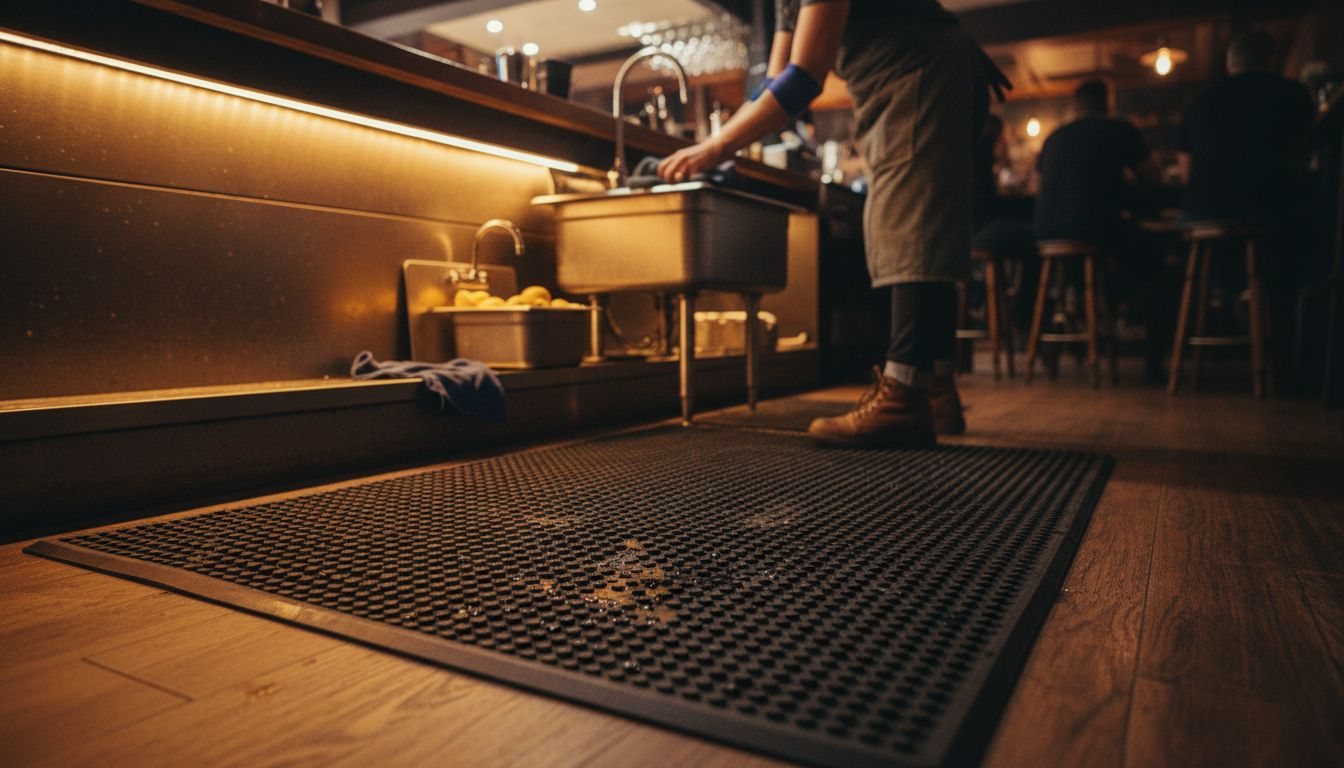
Primary Safety Benefits include significant accident prevention mechanisms. The textured, non-slip surfaces dramatically reduce workplace slip and fall incidents, which remain one of the most common workplace injuries in commercial kitchens. Advanced rubber mat designs incorporate drainage channels, raised edges, and ergonomic cushioning that actively minimize potential hazards while supporting worker comfort and productivity.
Key Hygiene Advantages:
- Prevents liquid pooling and bacterial growth
- Provides barrier against floor contamination
- Easily sanitized and cleaned
- Resistant to grease and chemical penetration
- Reduces cross-contamination risks
Modern restaurant rubber mats are engineered with antimicrobial compounds that actively suppress bacterial and fungal growth. These advanced materials create an inhospitable environment for microorganisms, complementing standard cleaning protocols and reducing potential health risks. Floor safety mats play a crucial role in maintaining comprehensive workplace safety standards by combining physical protection with advanced hygienic properties.
Beyond immediate safety considerations, these mats contribute to long-term operational efficiency. By reducing workplace injuries, minimizing cleaning time, and supporting rigorous health department standards, restaurant rubber mats represent a strategic investment in workplace infrastructure. The ergonomic design reduces worker fatigue, potentially decreasing worker compensation claims and improving overall staff productivity.
Pro Maintenance Tip: Implement a regular inspection and cleaning schedule for rubber floor mats, checking for wear, damage, or potential slip hazards at least once per week to maintain optimal safety and hygiene standards.
Applications in Commercial Food Environments
Rubber floor mats serve critical functional roles across multiple zones within commercial food service settings, addressing unique challenges in each workspace. The essential guide to choosing commercial kitchen mats reveals the nuanced applications designed to meet specific operational requirements. These specialized mats are strategically deployed in distinct areas to enhance safety, hygiene, and operational efficiency.
Key Deployment Areas:
- Cooking Stations: Heat-resistant mats with drainage capabilities
- Prep Zones: Anti-fatigue mats with slip-resistant surfaces
- Dishwashing Areas: Water-resistant mats with aggressive drainage
- Entrance/Transition Areas: Moisture-absorbing mats with dirt containment
- Cold Storage: Temperature-stable rubber surfaces
In high-intensity cooking zones, rubber mats provide critical protection against extreme temperatures, potential liquid spills, and constant foot traffic. The advanced material composition allows these mats to withstand direct contact with hot equipment, grease splatters, and repetitive movements without degrading performance. Ergonomic designs with cushioned surfaces help reduce worker fatigue, supporting extended periods of standing and movement.
Dishwashing and cleaning areas represent another crucial application zone where rubber mats demonstrate exceptional performance. These environments demand specialized surfaces that can rapidly channel water, resist chemical cleaning agents, and maintain structural integrity under constant moisture exposure. Floor safety mats play a transformative role in creating safer, more efficient workspaces by mitigating slip risks and supporting rapid cleaning protocols.
Beyond immediate functional requirements, rubber floor mats in commercial food environments contribute to broader operational objectives. They support workplace compliance with health department regulations, reduce potential liability from workplace accidents, and create a more comfortable working environment for staff. The strategic placement of these mats can significantly impact overall kitchen efficiency and worker productivity.
Pro Placement Tip: Conduct a comprehensive workplace assessment to identify specific mat requirements for each distinct operational zone, ensuring targeted safety and performance solutions tailored to unique environmental challenges.
Cost, Maintenance, and Common Pitfalls
Restaurant rubber floor mats represent a strategic investment that requires careful consideration of initial costs, long-term maintenance, and potential operational challenges. Understanding floor mats cleaner reveals the nuanced financial and maintenance considerations that businesses must evaluate when selecting these critical workplace safety solutions.
Cost Considerations:
- Initial Investment: Ranges from $50-$300 per mat
- Replacement Frequency: 12-24 months depending on usage
- Maintenance Costs: Low to moderate
- Potential Savings: Reduced workplace injury claims
- Long-term Value: Decreased worker compensation expenses
The financial landscape of rubber floor mats extends beyond simple purchase price. High-quality mats demonstrate exceptional durability, withstanding heavy foot traffic, constant moisture, and frequent cleaning protocols. Floor safety mats offer a cost-effective solution by minimizing potential workplace injuries and supporting operational efficiency.
This summary details major mat purchase and ownership considerations:
| Factor | Typical Range/Impact | Business Benefit |
|---|---|---|
| Initial Cost per Mat | $50–$300 | Custom fit for budget/needs |
| Replacement Cycle | 12–24 months | Maintains high safety standards |
| Maintenance Intensity | Low to moderate | Minimal staff time commitment |
| Long-term Value | Fewer workplace injuries | Lower insurance/claims expenses |
Common Maintenance Pitfalls:
- Neglecting regular cleaning and inspection
- Using inappropriate cleaning chemicals
- Failing to replace worn or damaged mats
- Ignoring manufacturer-specific care instructions
- Improper storage during non-use periods
Maintenance protocols are critical for extending mat lifespan and maintaining safety standards. Most high-quality rubber mats can be easily cleaned using standard washing techniques, with some designs allowing direct hose-down or industrial cleaning methods. The key is consistent, systematic maintenance that prevents material degradation and preserves critical safety features.
Operational risks emerge when businesses overlook mat quality and maintenance. Cheap, low-grade mats can quickly deteriorate, creating potential safety hazards and requiring frequent replacement. Investing in premium rubber mats with advanced features like grease resistance, antimicrobial treatments, and ergonomic designs ultimately provides superior long-term value and workplace protection.
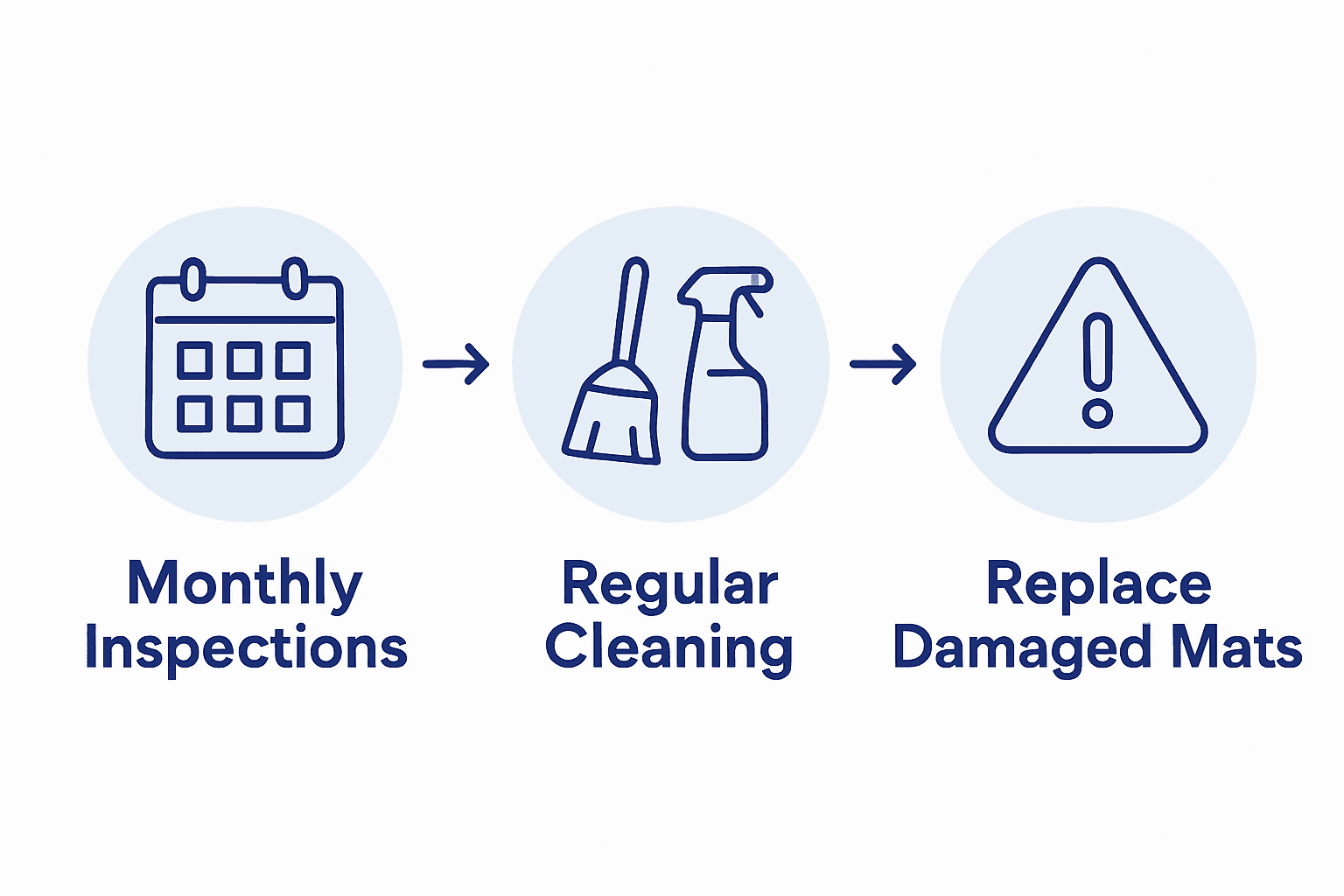
Pro Maintenance Tip: Implement a quarterly mat inspection and replacement schedule, documenting wear patterns and performance to proactively manage workplace safety infrastructure and control long-term maintenance costs.
Enhance Kitchen Safety and Comfort with Expert Rubber Floor Mats
Restaurants face constant challenges maintaining safety and hygiene in high-traffic and moisture-heavy environments. From preventing slips caused by grease and water to reducing staff fatigue during long shifts, choosing the right restaurant rubber floor mats is critical for protecting your team and ensuring operational efficiency. Key solutions focus on slip resistance, drainage, and ergonomic support as detailed in this article.
Discover a wide selection of commercial mats designed to meet these exact needs at Commercial Mats – Mats4U USA. Our durable, moisture-managing rubber mats deliver superior slip resistance and comfort, helping lower injury risks and improve staff productivity. Complement your flooring with specialized Comfort Range – Mats4U USA mats for added ergonomic benefits that keep your kitchen team energized. Visit Mats4U.com now to find high-quality mats made in the USA with competitive pricing and free delivery on orders over $100. Take action today to upgrade your kitchen’s safety infrastructure, reduce costly accidents, and create a cleaner, healthier workspace for your employees.
Frequently Asked Questions
What are the benefits of using rubber floor mats in restaurants?
Rubber floor mats provide slip resistance, shock absorption, and drainage capabilities, significantly reducing the risk of slips and falls while also enhancing worker comfort and hygiene.
How often should rubber floor mats be inspected and maintained?
It’s recommended to inspect rubber floor mats monthly for wear, cracks, or potential trip hazards. Regular cleaning and a quarterly replacement schedule can help maintain optimal safety and hygiene standards.
What types of rubber floor mats are best for high-traffic kitchen areas?
Kitchen work mats, drainage mats, and anti-fatigue mats are ideal for high-traffic areas, providing grease resistance, slip protection, and ergonomic support for staff who spend long hours standing.
How do rubber mats contribute to maintaining hygiene in commercial kitchens?
Rubber mats are designed to prevent liquid pooling, reduce cross-contamination risks, and are easy to clean and sanitize, thus supporting critical food safety protocols in restaurant environments.


